The livestock tick Rhipicephalus microplus and ecological interactions
Uploaded 02/01/2025


The cattle tick Rhipicephalus microplus affects livestock and ecosystems by transmitting disease and interacting with hosts and predators.
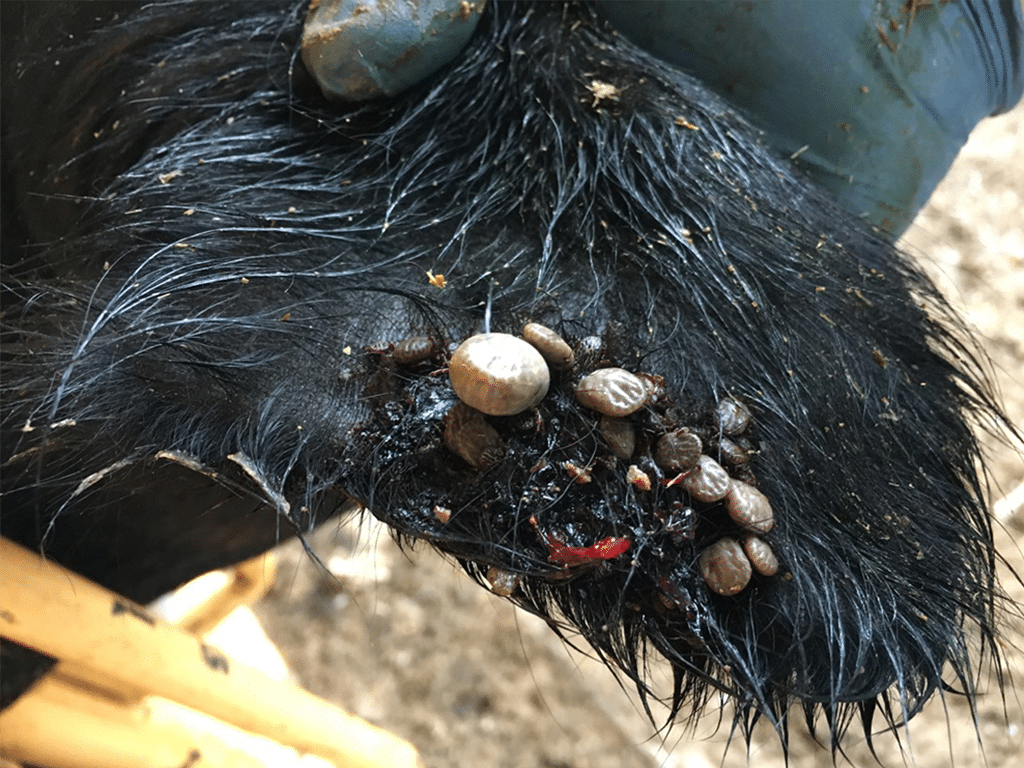
The livestock tick Rhipicephalus microplus, commonly known as the southern cattle tick or asian blue tick, is a highly adaptive ectoparasite with significant ecological interactions and economical implications. This article delves into its role in species interactions, disease transmission, and its broader impact on ecosystems.
As a primary parasite of cattle, R. microplus feeds on host blood, leading to anemia, reduced weight gain, and decreased milk production. severe infestations can result in mortality, particularly in young or immunocompromised animals. Beyond its direct effects on livestock, this tick species is a vector for pathogens such as babesia bovis and anaplasma marginale, which cause babesiosis and anaplasmosis, respectively. these diseases not only affect cattle but can also spill over into wildlife populations, complicating ecosystem dynamics.
The ecological interactions of R. microplus are multifaceted. Its lifecycle involves three developmental stages—egg, larva, and adult—each requiring specific environmental conditions and host interactions. The tick’s ability to adapt to diverse climates and hosts has enabled its spread across tropical and subtropical regions, making it a persistent challenge for livestock management and biodiversity conservation.
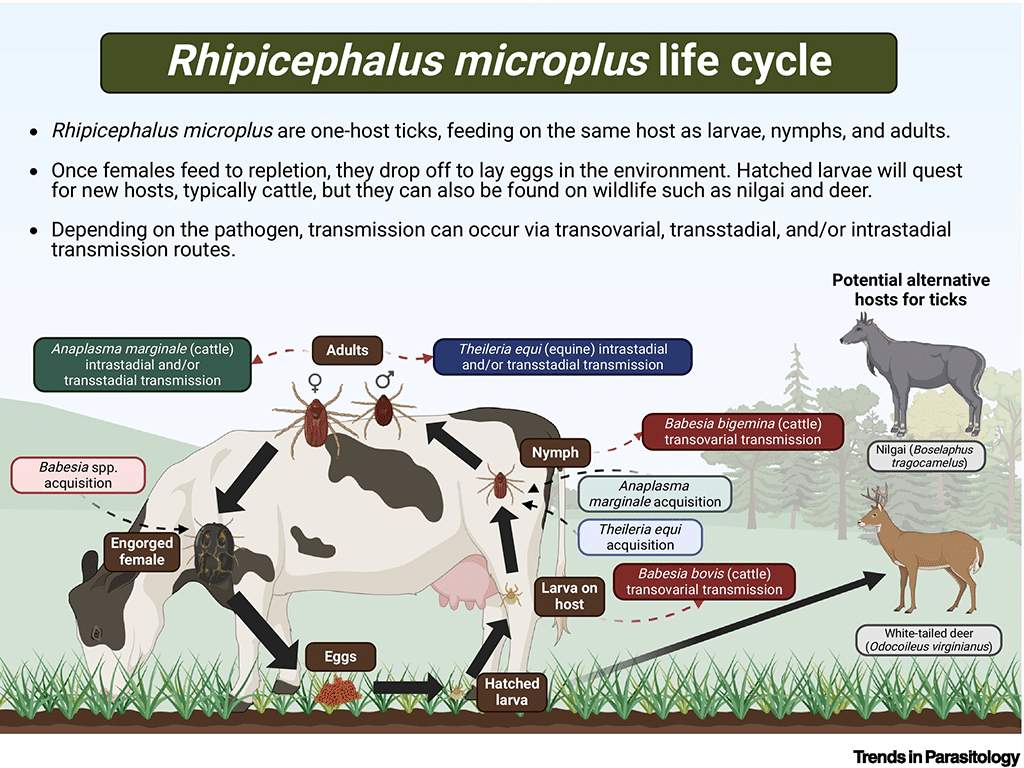
One critical aspect of R. microplus ecology is its interaction with non-bovine hosts. while cattle are its primary host, the tick can also infest other mammals, including deer, horses, and even humans in rare cases. This broad host range facilitates its survival and dispersal, particularly in regions where cattle and wildlife share grazing areas. additionally, the tick’s resistance to acaricides has exacerbated its impact, necessitating alternative control strategies.
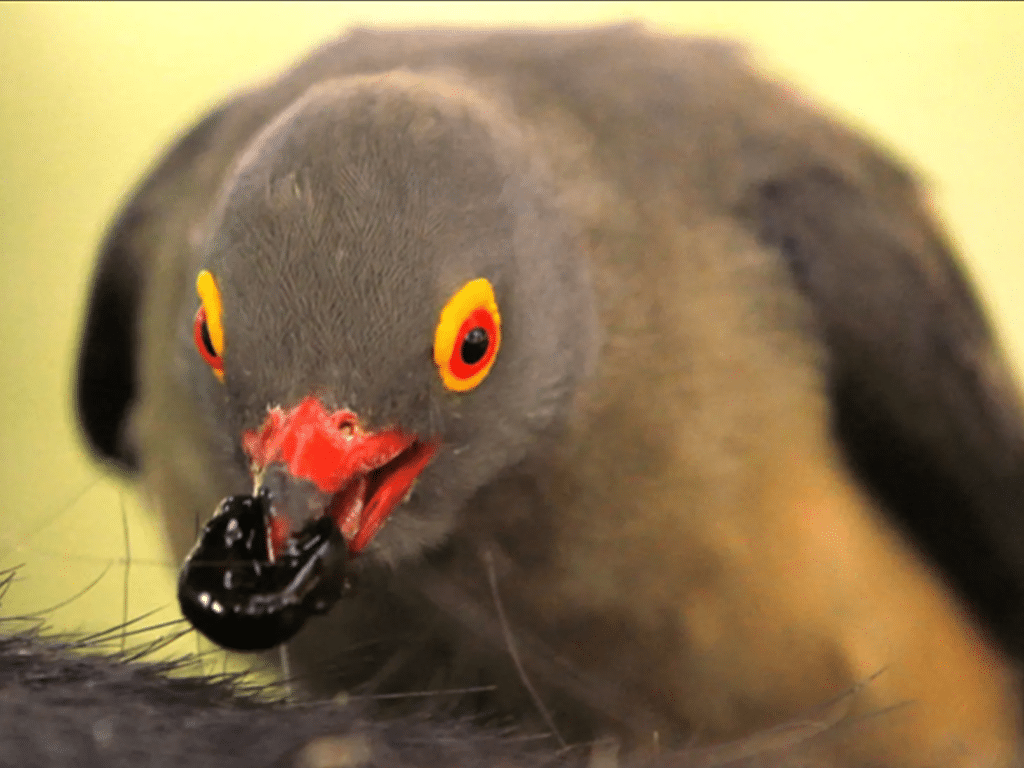
Natural predators and competitors play a role in regulating the tick populations. For example, certain bird species, such as oxpeckers, and arthropods, like predatory mites, feed on ticks and their eggs. however, the tick’s high reproductive rate and environmental adaptability often outpace these natural controls. understanding these predator-prey dynamics is essential for developing integrated pest management strategies that leverage ecological interactions.
Recent research has focused on the genetic and molecular mechanisms underlying R. microplus’s adaptability and resistance. studies have identified genes associated with acaricide resistance and immune evasion, providing insights into potential targets for novel control methods. Additionally, advances in vaccine development, such as the anti-tick vaccine based on the bm86 antigen, offer promising avenues for reducing tick populations and disease transmission.
The ecological impact of the livestock tick extends beyond livestock health. its presence can alter ecosystem dynamics by affecting host behavior, population structures, and disease prevalence. for instance, tick infestations may reduce cattle grazing efficiency, leading to overgrowth of vegetation and subsequent changes in habitat structure. These cascading effects underscore the importance of studying R. microplus within a broader ecological framework.
In conclusion, R. microplus is a key species in both agricultural and ecological contexts. Its interactions with hosts, predators, and pathogens highlight the complexity of parasitic ecosystems. by integrating ecological, genetic, and molecular research, scientists can develop more effective strategies to mitigate its impact on livestock, wildlife, and ecosystems.