How leaf beetles mastered plant cell wall digestion
Uploaded 03/26/2025


Leaf beetles evolved powerful enzymes to break down tough plant tissues through horizontal gene transfer and symbiotic partnerships, enabling their global success as herbivores. A new study reveals the dynamic evolutionary strategies behind their digestive prowess.

This paper explores how plants are fortified with rigid cell walls composed of complex polymers like cellulose, hemicellulose, and pectin—structures that most animals cannot digest. Yet, leaf beetles (Chrysomelidae), a group comprising over 40,000 species, thrive on living plant tissues. A ground-breaking study published in Current Biology reveals how these insects acquired specialized plant cell wall-degrading enzymes (PCWDEs) through two key evolutionary shortcuts:
- Horizontal gene transfer (HGT) – stealing genes from bacteria and fungi
- Symbiotic partnerships – outsourcing digestion to microbial allies
These adaptations allowed beetles to dismantle plant defences and access nutrients, fuelling their explosive diversification.
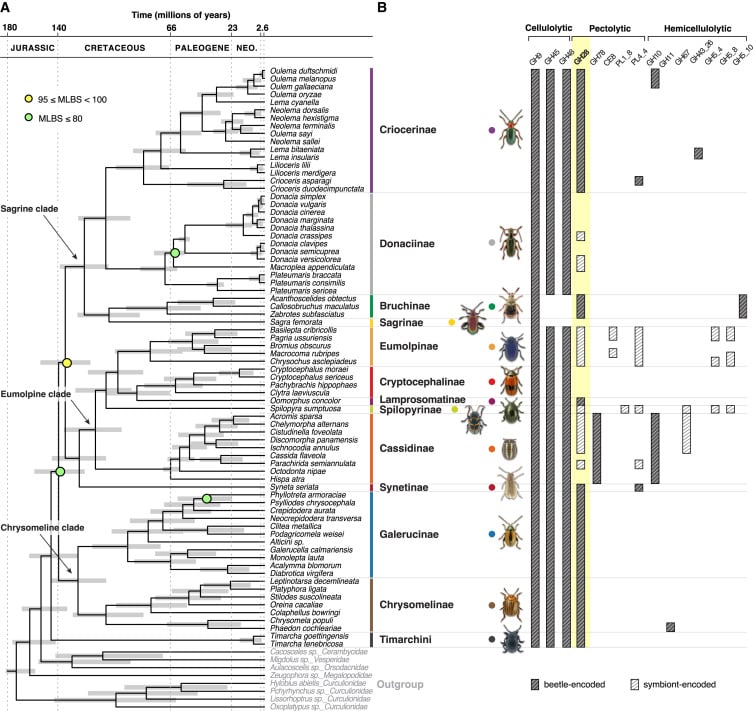
Figure 1: Dated phylogeny of leaf beetles and their PCWDEs
Two Evolutionary Shortcuts to Digestion
The study analysed 74 leaf beetle species and 50 bacterial symbionts, uncovering two primary mechanisms behind their digestive success:
- Gene Theft: Horizontal Gene Transfer
Beetles lack ancestral enzymes to break down plant cell walls, so they acquired them from microbes:
- Cellulases (GH45, GH48) were obtained from fungi and bacteria, allowing beetles to digest cellulose.
- Pectinases (GH28) were repeatedly gained, lost, or replaced—some lineages swapped ancestral fungal-derived enzymes for bacterial versions.
- These stolen genes underwent expansions and specializations, improving digestive efficiency.
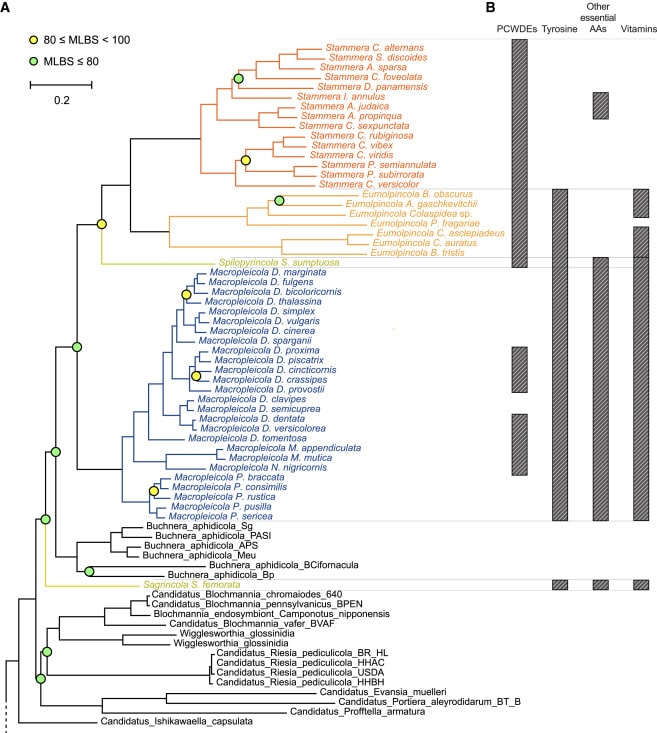
Figure 2: Phylogeny of bacterial symbionts across Chrysomelidae
- Microbial Partnerships: Symbiotic Solutions
When beetles lost their own enzymes, they formed alliances with bacteria:
- At least three independent origins of symbiosis were found.
- Symbionts provide pectinases, amino acids, and vitamins, compensating for lost beetle genes.
- Some symbionts have ultra-small, streamlined genomes, retaining only essential digestive genes.
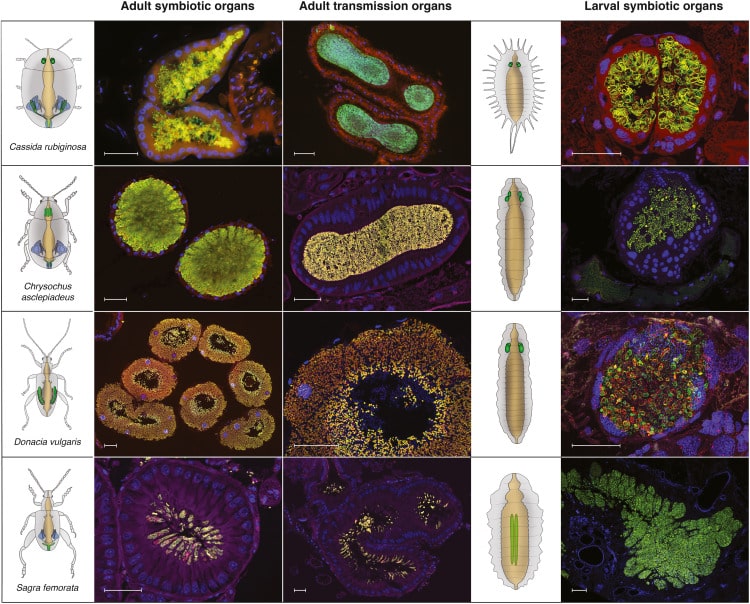
Figure 3: Symbiont localization in beetle tissues
Why Pectin Digestion Is So Dynamic
Unlike cellulose enzymes, which remain stable across beetle lineages, pectinases show extreme variability:
- Lost in some beetles (e.g., gall-forming Sagrinae, detritus-feeding Cryptocephalinae)
- Replaced via HGT in others (e.g., Bruchinae, Criocerinae)
- Provided by symbionts in Cassidinae and Eumolpinae
This flexibility reflects dietary shifts, such as feeding on pectin-poor grasses or decaying leaves.
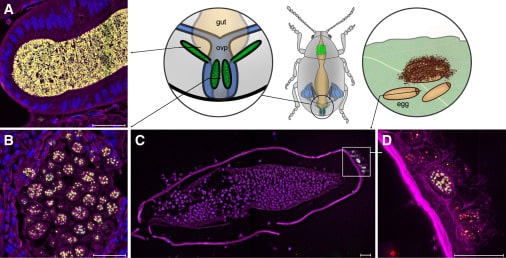
Figure 4: Phylogenetic relationships of GH28 pectinases
The Symbiont Transmission Puzzle
One of the study’s most fascinating discoveries involves how beetles pass down their microbial partners to offspring:
- Cassidinae and Eumolpinae beetles package symbionts into protective “capsules” deposited on eggs
- Donaciinae secrete symbiont-rich fluids that coat eggs after laying
- Sagrinae maintain symbionts in specialized reproductive organs
This variety of transmission mechanisms suggests each beetle lineage evolved unique solutions to maintain these critical partnerships across generations.
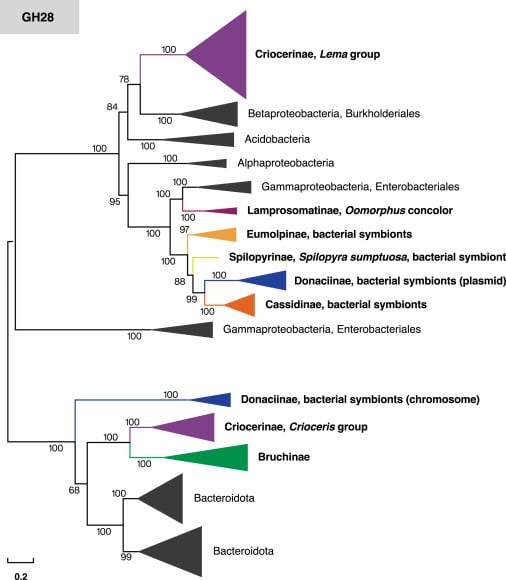
Figure 5: Symbiont transmission mechanisms in Chrysomelidae
Key Findings & Implications
- HGT and symbiosis drove beetle diversification—each adaptation expanded their plant menu.
- Symbionts enabled extreme dietary shifts, like sap-feeding in Donaciinae and gall-forming in Sagrinae.
- Enzyme innovations (e.g., exo-pectinases) improved digestion efficiency.
- Symbiont genome reduction reveals how microbes evolve to serve host needs.
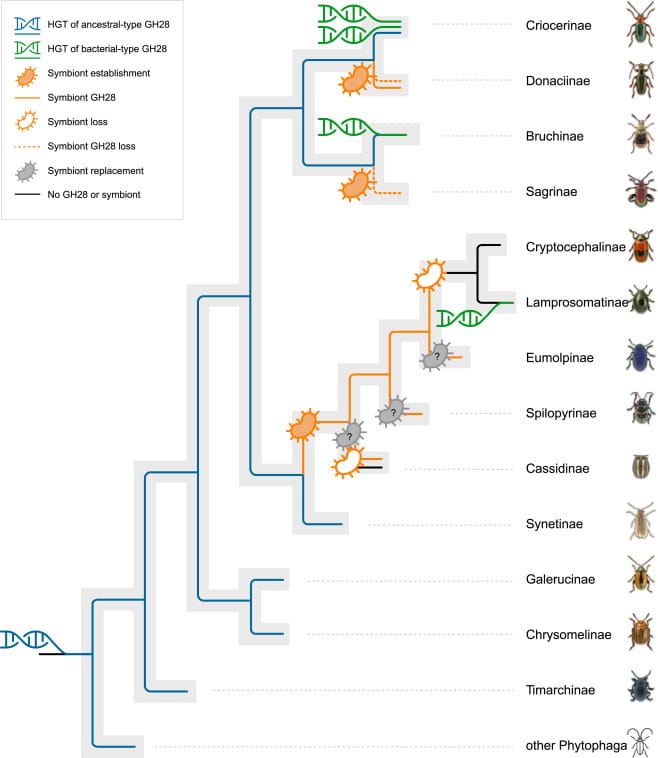
Figure 6: Evolutionary scenario of GH28 pectinases in leaf beetles
Future Research & Applications
- Biotech potential: Engineered enzymes for biofuel production.
- Pest control: Targeting beetle digestion to protect crops.
- Evolutionary insights: How microbes shape animal diets.
This study highlights nature’s ingenuity—where gene theft and microbial alliances unlock new ecological niches.