How urbanization affects bird predation
Uploaded 02/08/2025


Urbanization reduces bird predation in Amsterdam according to a recent study. The research analysed factors like light pollution and the urban heat island effect.
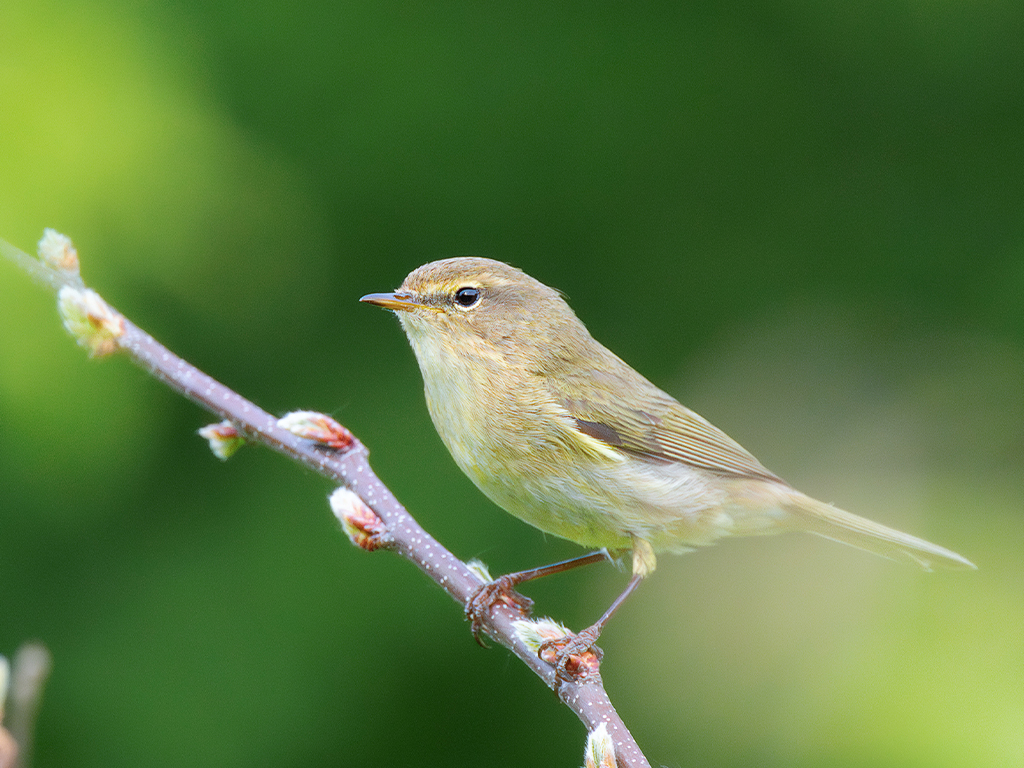
A recent study conducted in Amsterdam has revealed that urban noise is the most significant factor in reducing bird predation in the city. Researchers used plasticine caterpillars as bait to measure the activity of insectivorous birds in Quercus Robur trees. The study aimed to understand how urbanization impacts avian predation and tested the increasing disturbance hypothesis, which suggests that urban factors diminish trophic interactions like predation.
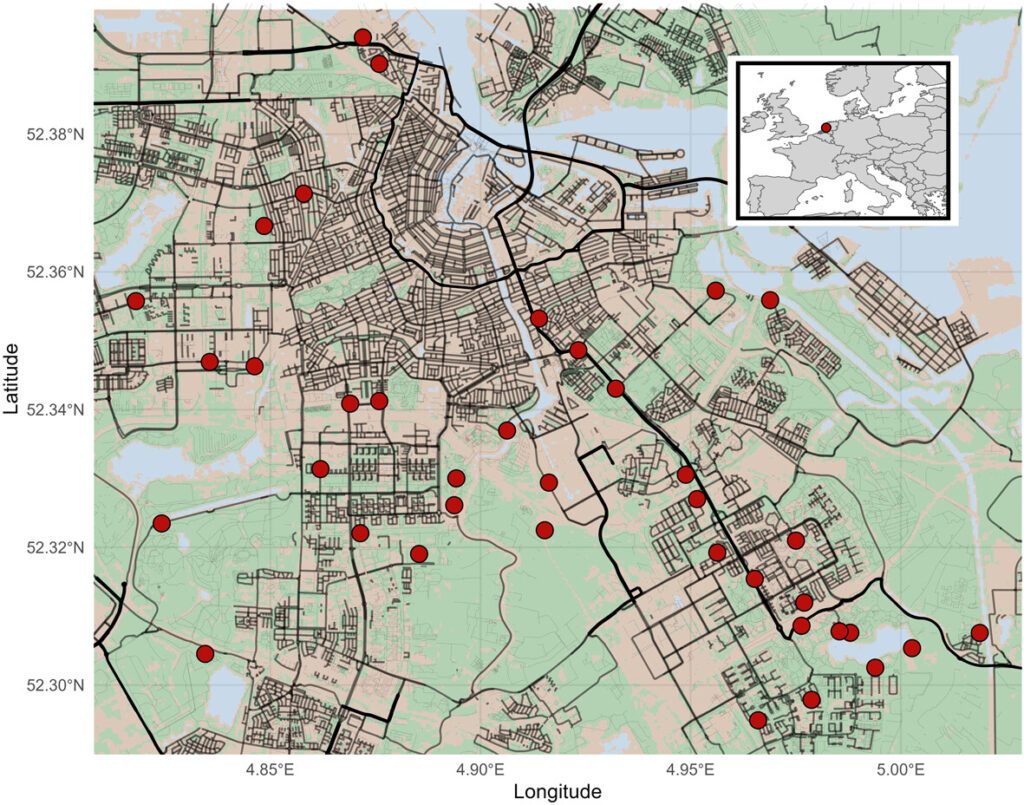
Map of study locations. The Amsterdam site is indicated in red on a European map in the upper right corner. The dots represent all selected Quercus robur trees (n = 38) in Amsterdam. The background map depicts water (blue), vegetation (green), and impervious surfaces (brown).
The results showed that noise pollution consistently reduced bird predation rates, likely due to avoidance behavior by birds. Other factors, such as artificial light at night (alan) and the urban heat island effect, also influenced predation but with less consistency. In the first month of the study, alan increased predation by attracting insects, which in turn attracted insectivorous birds. However, this effect diminished in the second month, possibly due to longer daylight hours or changes in insect abundance.
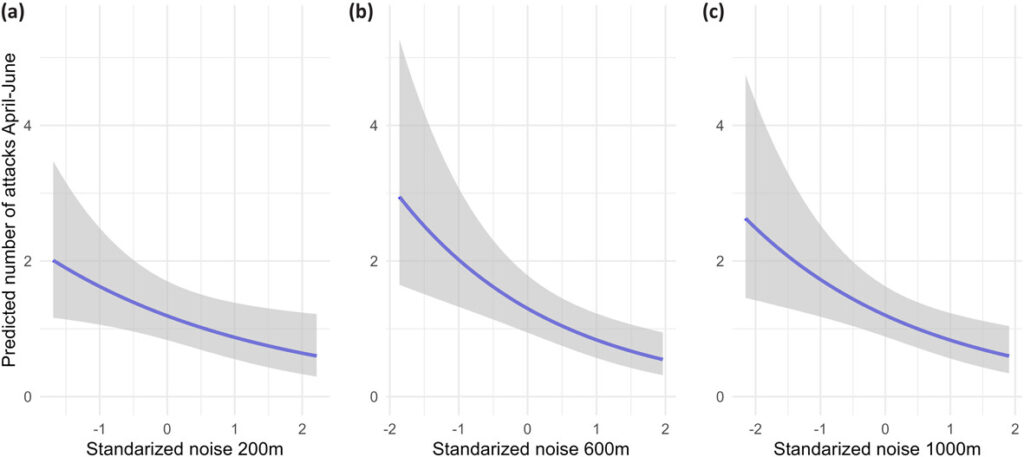
The effect sizes of noise pollution across spatial scales for the (a) 200, (b) 600, and (c) 1000 m buffers.
The study found that noise pollution was the most robust predictor of reduced predation. Birds appeared to avoid noisy areas, leading to fewer attacks on the plasticine caterpillars. This finding aligns with previous research showing that noise disrupts wildlife behavior, including foraging and communication. As urban areas continue to grow, noise pollution is expected to increase, potentially exacerbating its impact on bird populations and ecosystem balance.
In addition to noise, the study examined the effects of other urbanization-related factors. The urban heat island effect, characterized by higher temperatures in urban areas compared to rural ones, initially increased predation rates. This was likely because warmer temperatures stimulated insect activity, providing more prey for birds. However, this effect also diminished over time. Vegetation and water bodies, which are part of green and blue infrastructure, showed mixed effects on predation. While vegetation density was associated with lower predation rates in the first month, it had the opposite effect in the second month, possibly due to seasonal changes in leaf cover.
The study highlights the complex relationship between urbanization and avian predation. While some urban factors, like artificial lighting, can temporarily increase predation by attracting prey, others, like noise pollution, have a consistently negative impact. These findings underscore the need for urban planning strategies that mitigate noise and light pollution to protect bird populations and maintain ecological balance.
One of the key takeaways from the study is the importance of addressing noise pollution in cities. Noise barriers, particularly natural ones like vegetation, could help reduce the impact of noise on birds. Additionally, reducing the use of artificial lighting at night or using filtered amber LED lights could minimize its effects on both insects and birds. These measures could help create more bird-friendly urban environments, supporting biodiversity and ecosystem health.
The study also emphasizes the need for further research into the effects of urbanization on trophic interactions
As urban areas continue to expand, understanding how human activities impact wildlife will be crucial for developing effective conservation strategies. Future studies could explore the long-term effects of noise and light pollution on bird populations, as well as the potential benefits of green and blue infrastructure in mitigating these impacts.
In conclusion, the study provides valuable insights into how urbanization affects bird predation in Amsterdam. Noise pollution emerged as the most significant factor in reducing predation rates, highlighting the need for mitigation efforts. By addressing noise and light pollution, cities can create healthier environments for birds and other wildlife, ensuring the sustainability of urban ecosystems.