Interspecies Interactions between Insects
Uploaded 09/20/2022


A special issue has just been released in Current Opinion in Insect Biology focused on interspecies interactions between insects
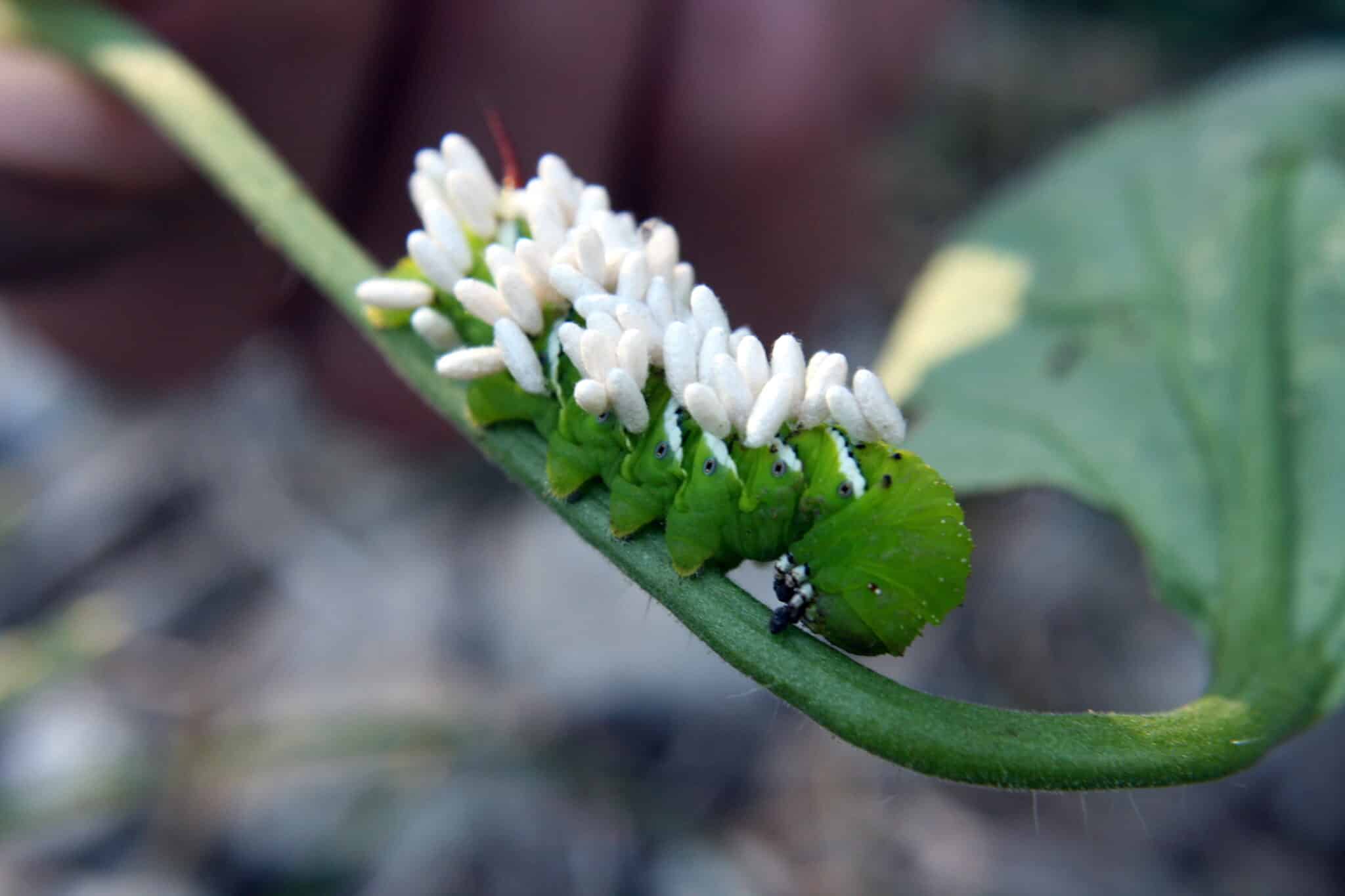
A special issue in Current Opinion in Insect Biology edited by Joseph Parker at Caltech has just been released focused on Interspecies Interactions between Insects. An organism cannot be understood in isolation from other species; it can only be understood if we know how it interacts with other species and its environment.
This issue has 10 papers that encompass important aspects of the ecology and evolution of insect interactions:
The endless coevolution of host-parasitoid adaptations: Adaptations and counter-adaptations in Drosophila host–parasitoid interactions: advances in the molecular mechanisms
The selfishness of ants and their mutualistic partners explains the signaling and communication among participants and contributes to the stability of these mutualisms: Evolution of chemical interactions between ants and their mutualist partners (Photo: Marcus Rhodes TW: @MarcusWRhodes )
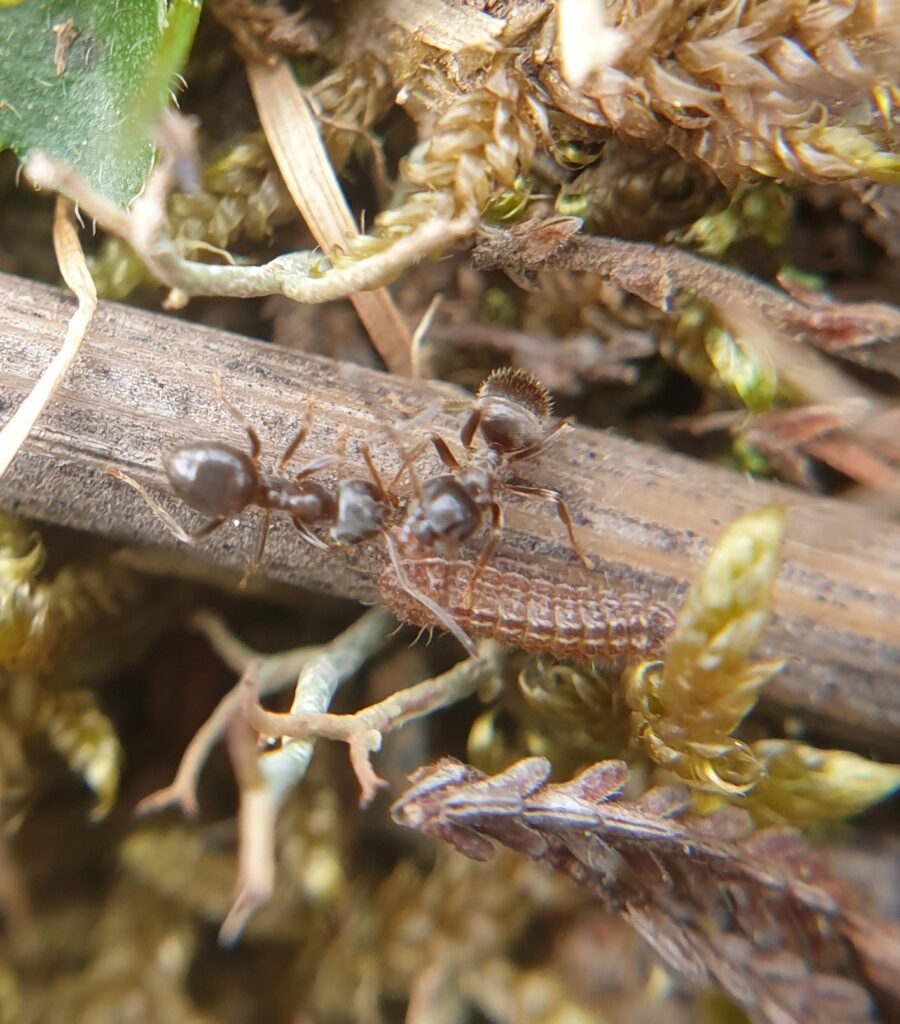
The relative costs and benefits of caterpillar mutualistic integration with ants is context dependent: Behavioral, ecological and evolutionary mechanisms underlying caterpillar-ant symbioses
Interactions among terrestrial arthropods (predation, parasitoidism; phoresy, social symbionts) are briefly reviewed from the fossil record: Evolutionary history of interactions among terrestrial arthropods
Under strong selective pressure for survival, image-forming vision set off an ongoing predatory arms race 500 million years ago: Evolution of visual system specialization in predatory arthropods
Myrmecophilous staphylinids beetles are specialized for colony life through changes in behavior, chemistry, anatomy, and life history: Parallel evolutionary paths of rove beetle myrmecophiles: replaying a deep-time tape of life (Photo credits: T. Shimada, T. Kanao, D. Miller, M. Maruyama, J. Parker)
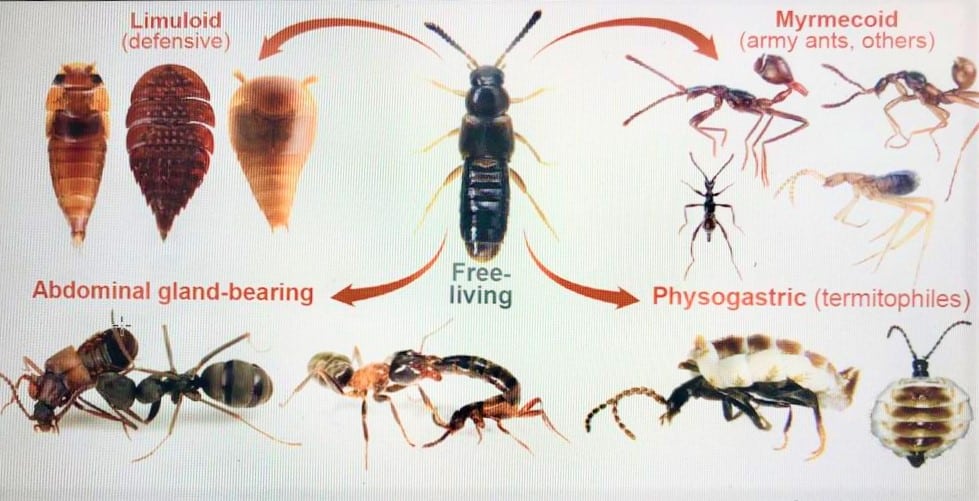
Myrmecophile beetles use a surprisingly complex strategy for interacting and deceiving ants: Foe to frenemy: predacious ant nest beetles use multiple strategies to fully integrate into ant nests
In social parasitism organisms exploit the altruistic behaviour of closely related social Species: Molecular (co)evolution of hymenopteran social parasites and their hosts
The evolutionary origins of blood-feeding within the Culicomorpha may have evolved from ancestral plant-feeding or a combination of plant-feeding and insect-feeding: Sensory mechanisms for the shift from phytophagy to haematophagy in mosquitoes
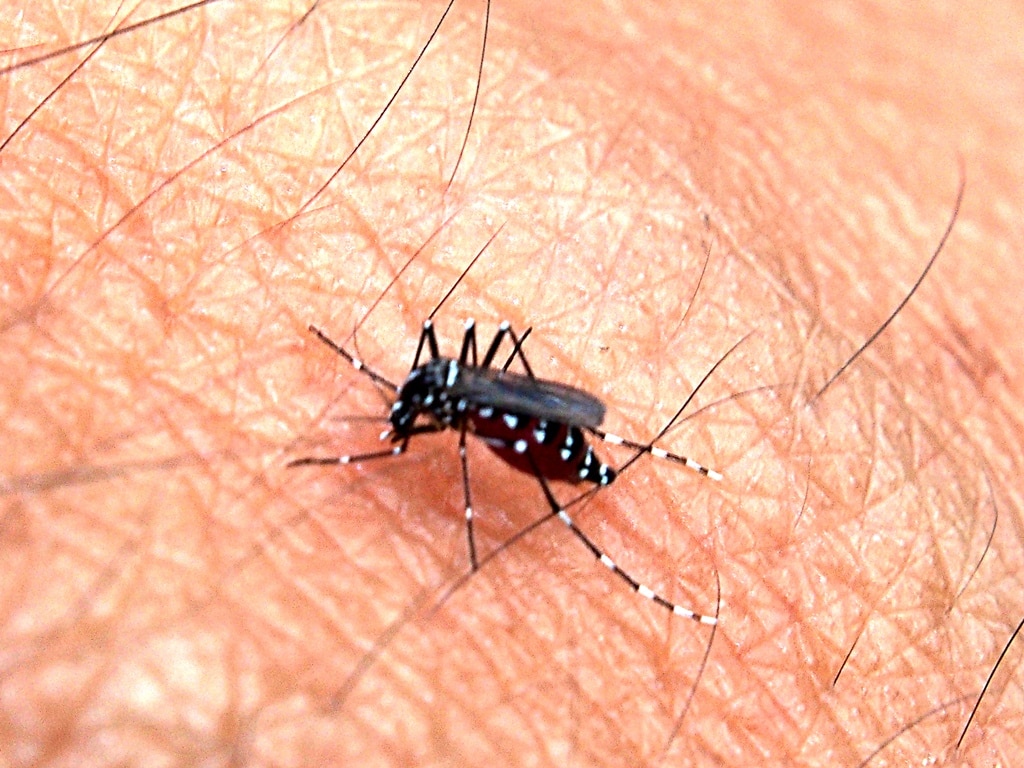
Overview of major questions concerning the neurobiology and evolution of behavioral interactions between species: The neural basis of interspecies interactions in insects