Interspecies mutualistic photosynthesis
Uploaded 03/02/2022


Interspecies mutualistic photosynthesis is an association where the cyanobacteria or eukaryote algae provide the fixed carbon produced while the other organism provides shelter and other nutrients

Interspecies mutualistic photosynthesis is an association where the cyanobacteria or eukaryote algae provide the fixed carbon produced while the other organism provides shelter and other nutrients.
Since the emergence of the first living organisms, associations between photosynthetic organisms and heterotrophs have evolved in many lineages.
Even though oxygenic photosynthesis seems to have evolved just once in the cyanobacteria lineage, the symbiosis between a cyanobacteria and a heterotroph bacteria gave rise to the first eukaryotic photosynthetic cells. Moreover, the photosynthetic metabolic capability has been acquired on multiple occasions by non-photosynthetic eukaryotes through symbiosis either with cyanobacteria or with other eukaryotic algae. .
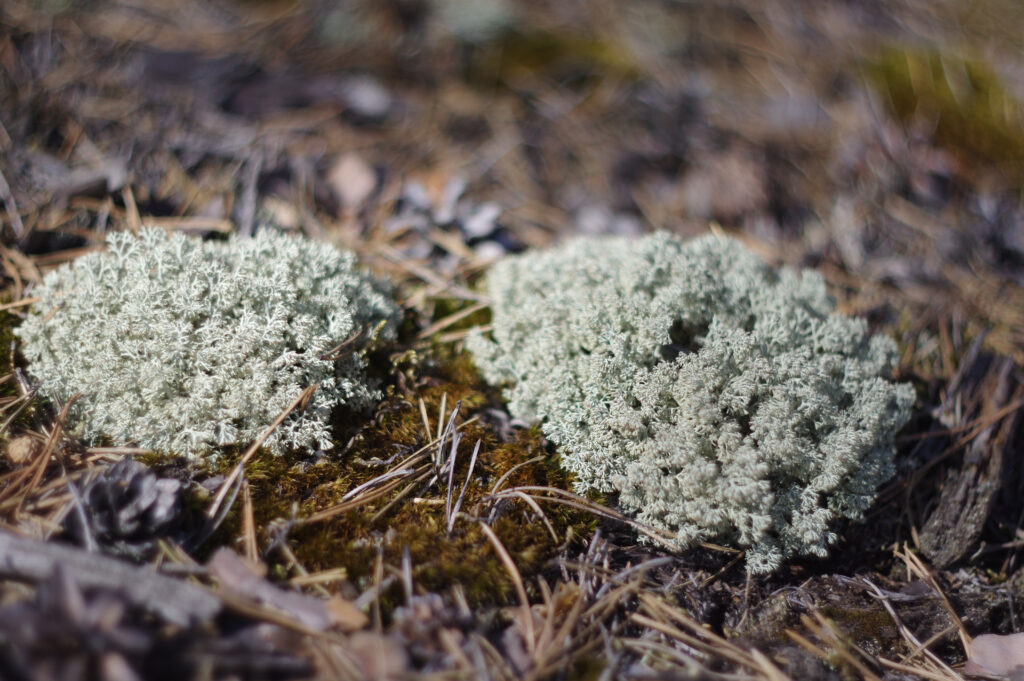
Lichens are a great example of interspecies mutualistic photosynthesis. Lichens are symbiotic organisms composed of a fungal partner (usually from the Ascomycota phylum, more rarely from Basidiomycota) and a photosynthetic partner, the photobiont, which is a chlorophyte in 85% of the known lichens.
The lichen-forming fungus exposes the photobiont to controlled levels of sunlight during physiologically active stages while the photobiont produces and secretes mobile energy-rich carbohydrates, which are provided to the fungal partner as sugar alcohols. In all known algal-fungal mutualisms, including lichens, algal cells remain external to fungal cells, but recently researcher found an algal–fungal interaction in which algal cells become internalized within the hyphae of the fungus.
Interspecies mutualistic photosynthesis
Animals from the phyla Porifera (sponges) and Cnidaria (corals, sea anemones etc.) also are capable of acquiring photosynthetically-fixed carbon by forming symbioses with algae and cyanobacteria. Corals are a great example.
Although some corals are able to catch plankton using stinging cells on their tentacles, most corals obtain the majority of their energy and nutrients from photosynthetic unicellular dinoflagellates of the genus Symbiodinium that live within their tissues.
These are commonly known as zooxanthellae and gives the coral color. Such corals require sunlight and grow in clear, shallow water. The coral provides the algae with a protected environment and compounds they need for photosynthesis. In return, the algae produce oxygen and help the coral to remove wastes.
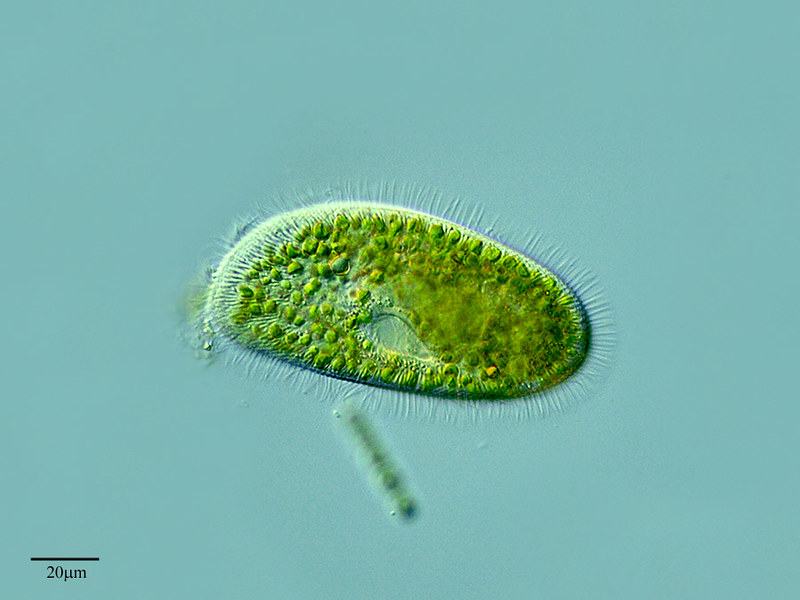
Unlike obligate mutualism such as in lichens and corals, the relationship between Chlorella algal species and the protist Paramecium bursaria is considered to be a facultative mutualism. Algae-free Paramecium cells and the endosymbiotic algae retain the ability to survive and reproduce when isolated from their symbiotic partner. However, algae-free P. bursaria cells are rare in nature. P. bursaria must receive a few extra perks, in addition to maltose products, from harboring thousands of algae.
Research suggests that algal endosymbionts show increased rates of photosynthetic oxygen production within the host when compared to algae cells isolated from their host, a factor that enhances oxygen availability to the host. It has even been determined that P. bursaria growth is enhanced in cells harboring algal symbionts compared to algae-free cells.