How Pollination Ecotypes Shape the Evolution of New Plant Species
Uploaded 02/24/2025


A recent paper by Steven D. Johnson explores how pollination ecotypes drive plant diversification and species formation. It highlights pollinators' critical role in plant evolution and the microevolutionary processes behind plant diversity.
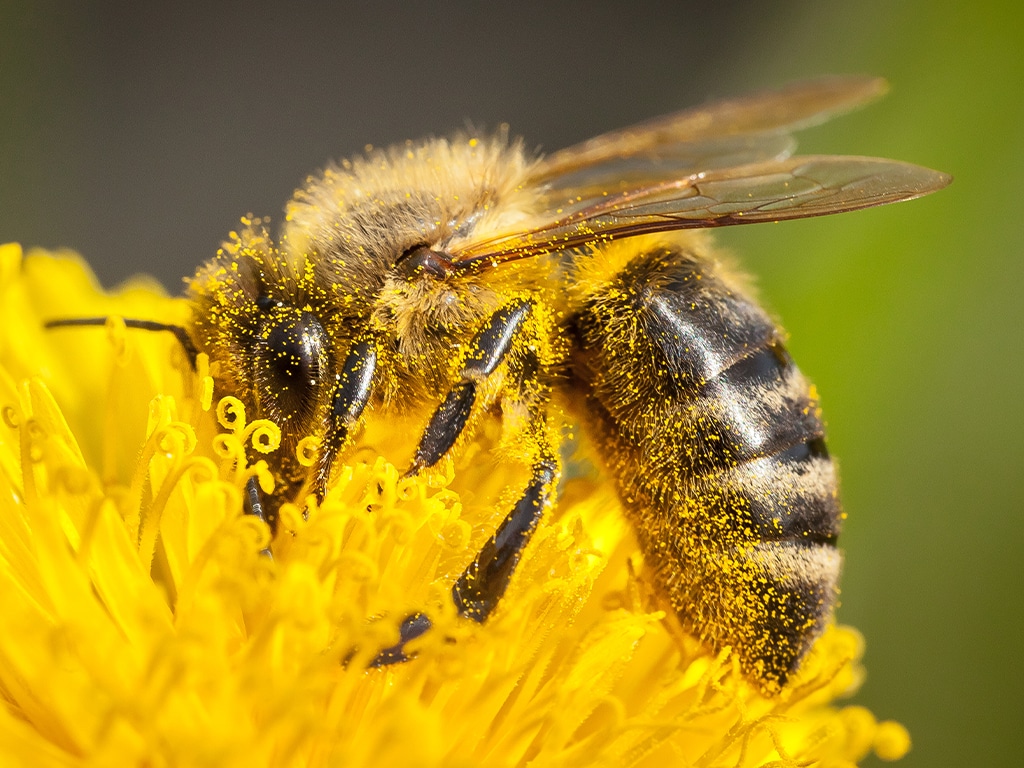
Pollination ecotypes are plant populations that adapt to local pollinators, evolving unique floral traits like size, shape, and color. These adaptations can lead to reproductive isolation and the formation of new species. This process, driven by pollinators, highlights the intricate relationship between plants and their environment, shaping the incredible diversity of flowering plants.
What Are Pollination Ecotypes?
Pollination ecotypes are populations of the same plant species that develop unique floral traits—such as flower size, shape, color, or scent—in response to differences in their local pollinator communities. For example, a plant species might evolve larger, red flowers to attract hummingbirds in one region, while in another, it might develop smaller, yellow flowers to appeal to bees or moths. These adaptations are driven by sexual selection, as plants with traits that better match their pollinators have higher mating success.
Over time, these localized adaptations can lead to reproductive isolation between populations, a key step in the formation of new species. This process, known as ecological speciation, is a major driver of biodiversity in flowering plants.
How Pollinators Drive Floral Diversity
Pollinators are a critical part of a plant’s ecological niche. They not only facilitate reproduction but also shape the evolution of floral traits through their preferences and behaviors. For instance:
- Flower Depth: Plants pollinated by long-tongued insects like hawkmoths often evolve long floral tubes to match the length of their pollinators’ proboscises.
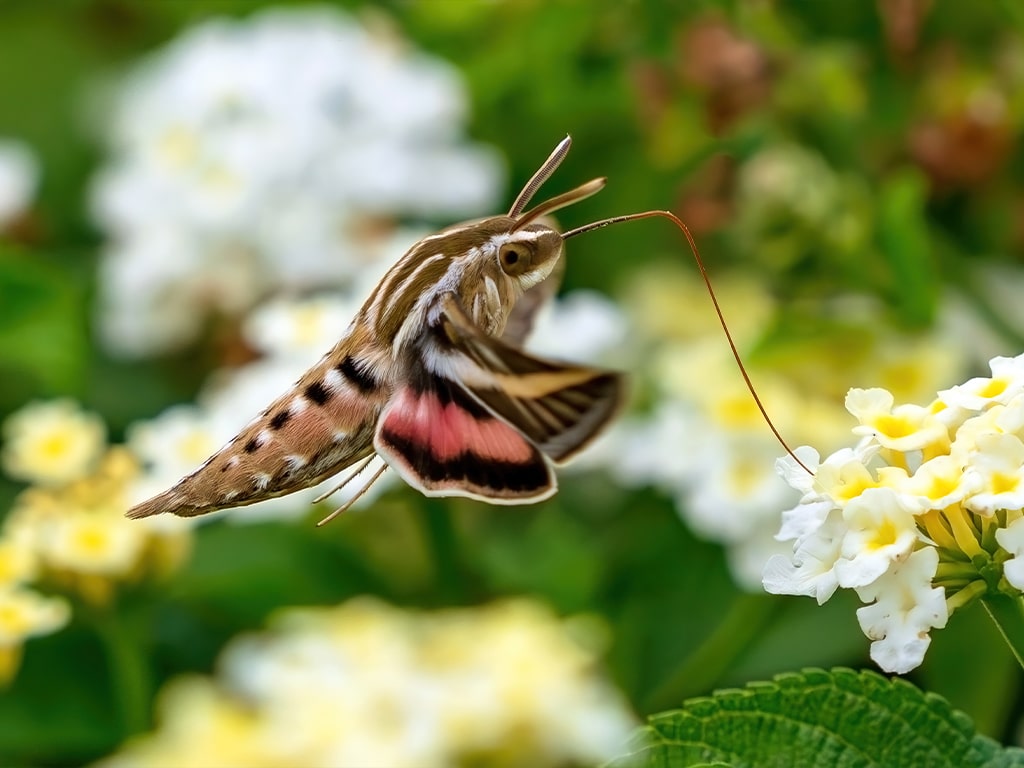
yellow flowers pollinated by hawkmoths.
- Flower Color: In some orchids, flower color varies geographically to mimic the dominant colors of local rewarding plants, deceiving pollinators into visiting them.
- Self-Pollination: In areas with scarce pollinators, plants may evolve smaller flowers and self-pollination mechanisms to ensure reproduction.
These adaptations are not random; they are the result of natural selection acting on floral traits that improve pollination efficiency.
Case Studies of Pollination Ecotypes
The paper highlights several compelling examples of pollination ecotypes:
1. Platanthera bifolia Orchids: This species has evolved different flower spur lengths to match the proboscis lengths of local hawkmoth species. In some regions, the flowers have long spurs for long-tongued moths, while in others, they have shorter spurs for moths with shorter proboscises.
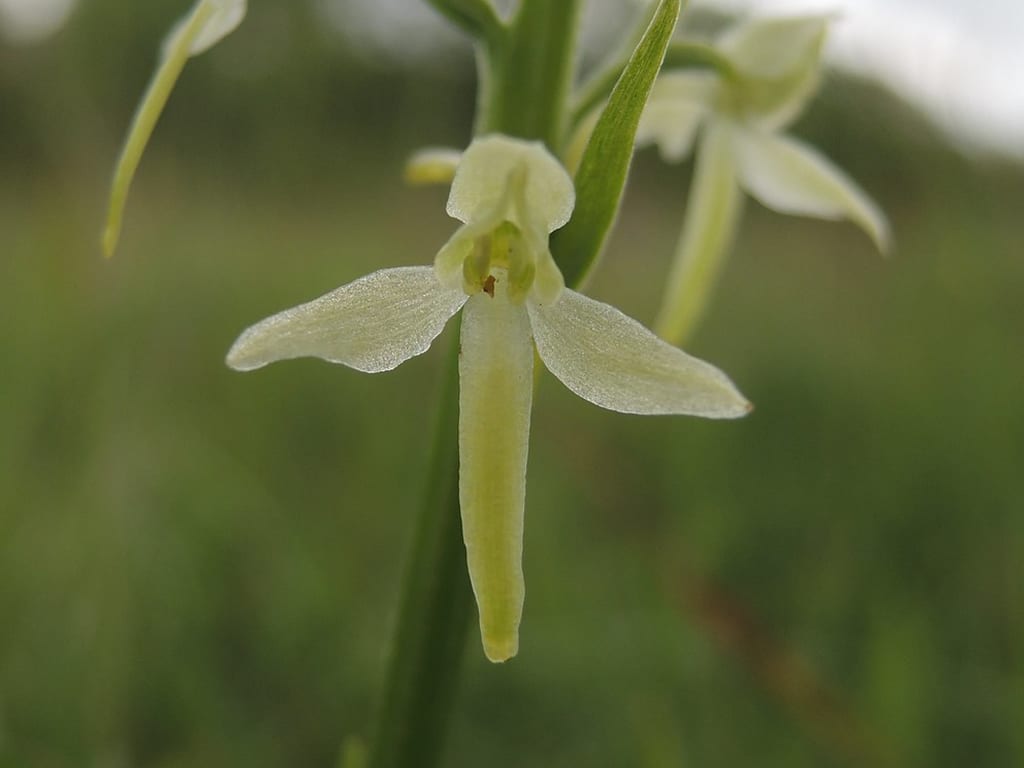
Platanthera bifolia Orchids with its elongated spurs to facilitate hawmoth pollination through their elongated enrolled tongues
2. Mimulus aurantiacus: In western North America, this plant has two ecotypes—one with red flowers pollinated by hummingbirds and another with yellow flowers pollinated by hawkmoths.
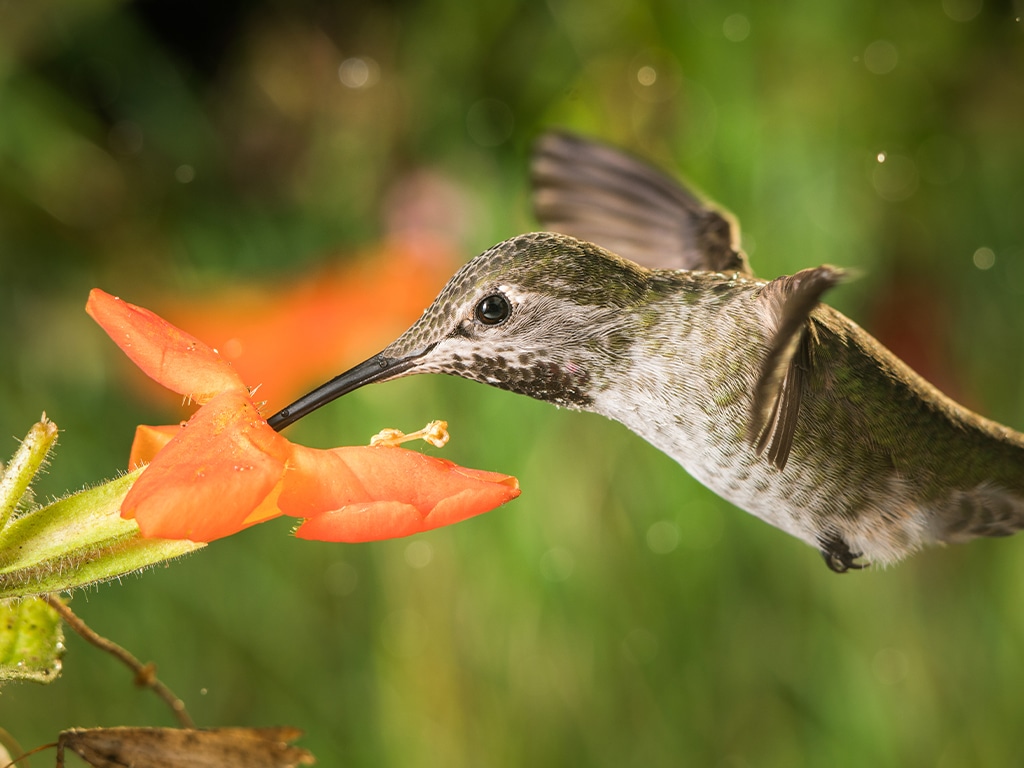
3. Erica plukenetii: In South Africa, this plant has evolved different flower colors and shapes to attract either birds or moths, depending on the local pollinator community.
These examples illustrate how plants can adapt to different pollinators, leading to the formation of ecotypes and, potentially, new species.
Challenges in Studying Pollination Ecotypes
Despite their importance, studying pollination ecotypes is not without challenges. One major issue is the lack of detailed natural history data, particularly in tropical regions where plant diversity is highest. Additionally, conducting experiments to test local adaptation—such as reciprocal translocation studies—can be ethically and logistically complex.
Another challenge is determining when ecotypes should be considered separate species. While some ecotypes are clearly on the path to speciation, others may merge back into their parent populations or go extinct. This ambiguity highlights the complexity of the speciation process and the need for more research.
Implications for Plant Evolution and Biodiversity
The study of pollination ecotypes provides valuable insights into the mechanisms driving plant diversification. By understanding how plants adapt to their pollinators, researchers can better explain the macroevolutionary patterns seen in the angiosperm radiation—the rapid diversification of flowering plants over the past 100 million years.
Moreover, this research underscores the importance of conserving pollinators, as their decline could disrupt the delicate ecological relationships that drive plant evolution. Without pollinators, many plants would lose their ability to reproduce, leading to a cascade of effects on ecosystems and biodiversity.
Conclusion
Pollination ecotypes are a fascinating example of how plants adapt to their environments and how these adaptations can lead to the formation of new species. By studying these ecotypes, researchers can gain a deeper understanding of the processes driving plant evolution and the incredible diversity of life on Earth.
As Steven D. Johnson’s paper demonstrates, the relationship between plants and their pollinators is not just a story of survival—it’s a story of innovation, adaptation, and the endless creativity of nature.