Capybaras maintain plant diversity in neotropical savannas
Uploaded 03/11/2025


Capybaras play a key role in shaping south American savannas by creating grazing lawns that boost plant diversity. this study highlights how herbivores like capybaras help maintain ecosystem balance and biodiversity.
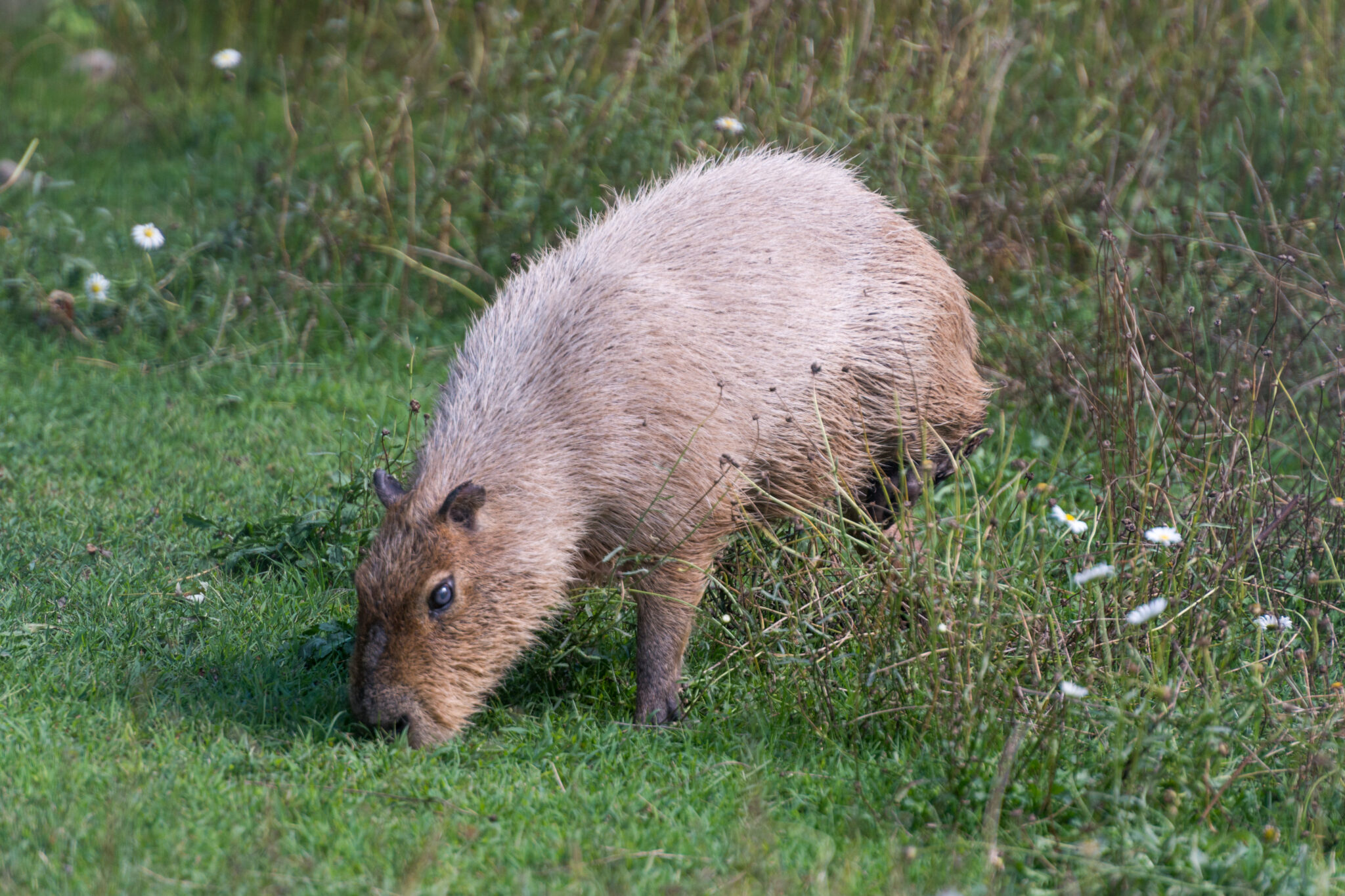
A groundbreaking study conducted in the Iberá Wetlands of Argentina has shed light on the critical role capybaras (Hydrochoerus hydrochaeris) play in maintaining plant diversity in Neotropical savannas. These semi-aquatic rodents, often referred to as nature’s lawnmowers, create short, nutrient-rich patches of vegetation known as grazing lawns through their constant grazing. These lawns are not only vital for sustaining biodiversity but also for maintaining the overall health and balance of the ecosystem.
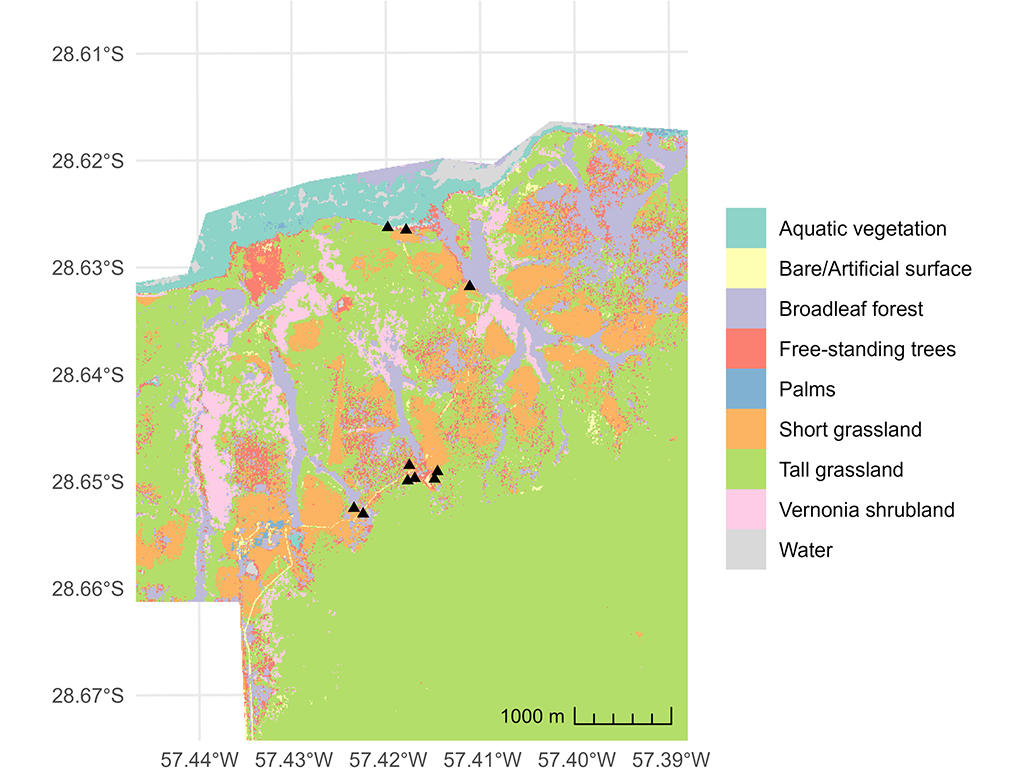
A map of the study area showing vegetation types (adapted from Mata et al. 2021) and the location of the 10 study sites.
The research, led by Julia C. Mata and her team, involved an extensive herbivore exclosure experiment. The study compared vegetation dynamics in grazed plots, where capybaras and other herbivores had access, to ungrazed plots that were fenced off to prevent herbivory. The experiment was conducted across three grassland types: short, medium-tall, and tall grasslands. Over 18 months, the team measured changes in grass height, plant biomass, species richness, and community composition.
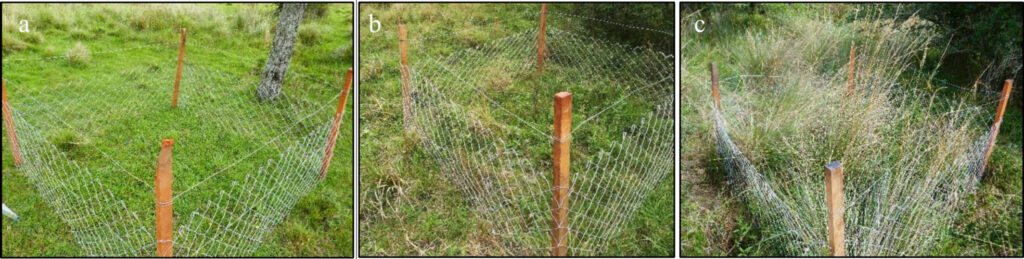
Ungrazed exclosure plots in the three studied grassland types (a) short grassland; (b) medium-tall grassland; and (c) tall grassland, at the time they were erected.
The results were striking. In grazed plots, capybaras kept the vegetation short and diverse, preventing taller, faster-growing plants from dominating the landscape. This allowed a variety of plant species to thrive, maintaining high levels of biodiversity. In contrast, ungrazed plots saw a significant decline in species richness as taller plants outcompeted smaller, light-demanding species. The study also found that the dissimilarity between grazed and ungrazed plots increased over time, highlighting the strong impact of herbivory on plant community composition.
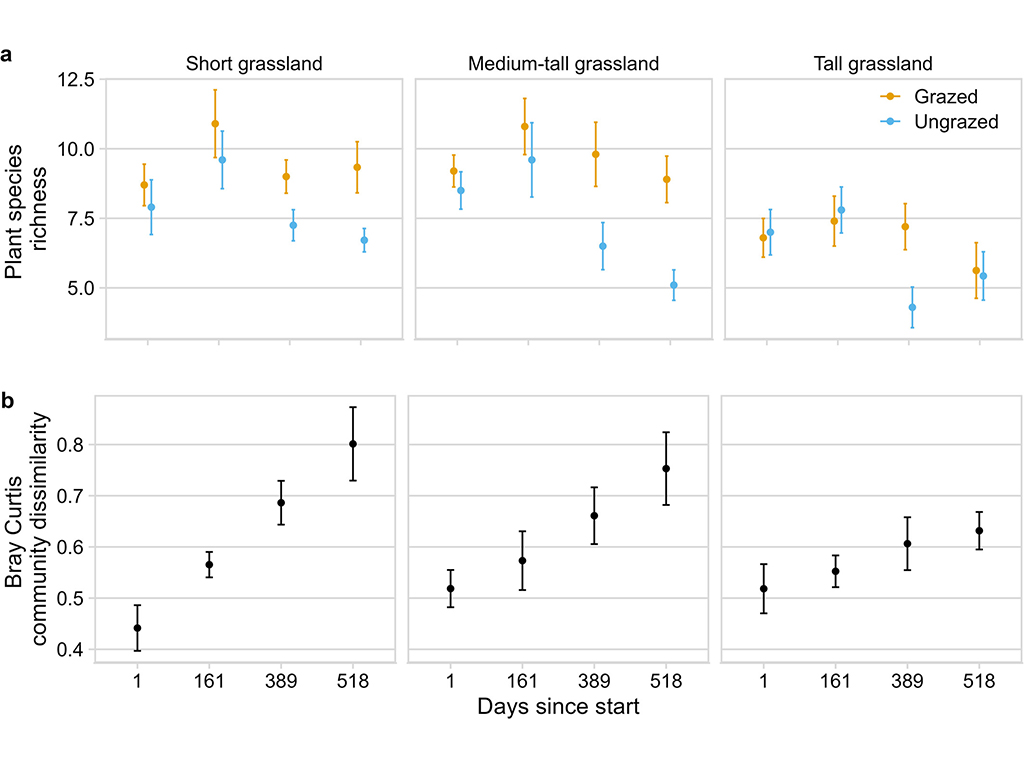
Herbivore exclusion reduces plant species richness in an 18-month exclosure experiment (a) and increases plant community dissimilarity between paired grazed and ungrazed plots (b). Error bars are standard errors.
Capybaras, despite being medium-sized grazers, have proven to be highly effective in mimicking the ecological roles of larger herbivores that once roamed South America. These larger herbivores, many of which went extinct thousands of years ago, played a crucial role in shaping the continent’s ecosystems. Today, capybaras fill this void by maintaining grazing lawns, which are essential for supporting a wide range of species, from insects to birds, that depend on short-grass habitats.
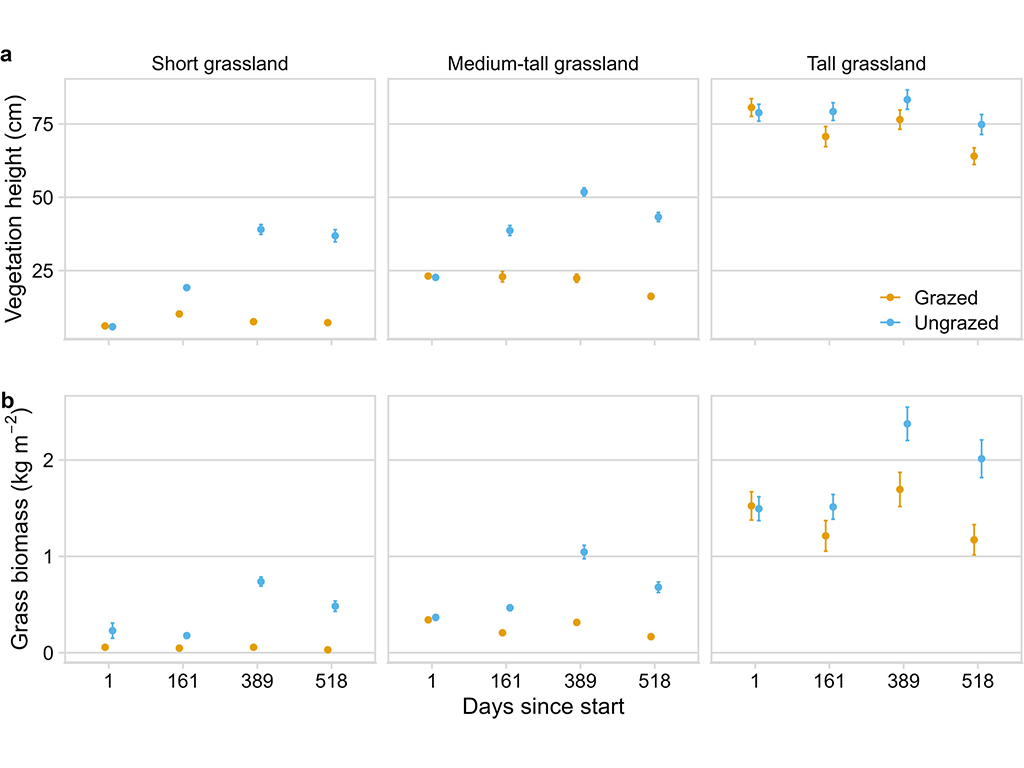
Herbivore exclusion affects vegetation structure in an 18-month exclosure experiment, specifically herbaceous vegetation height (a) and herbaceous biomass (b). Error bars show standard errors.
The study also explored the concept of grazing lawns, which are well-documented in African savannas but less understood in South America. Grazing lawns are characterized by short, nutrient-rich vegetation maintained through repeated grazing. They create a positive feedback loop: grazing keeps the vegetation short and nutrient-dense, which attracts more herbivores, leading to further nutrient input through dung and urine. This process not only supports plant diversity but also enhances ecosystem heterogeneity, creating a mosaic of habitats that benefit a wide range of species.
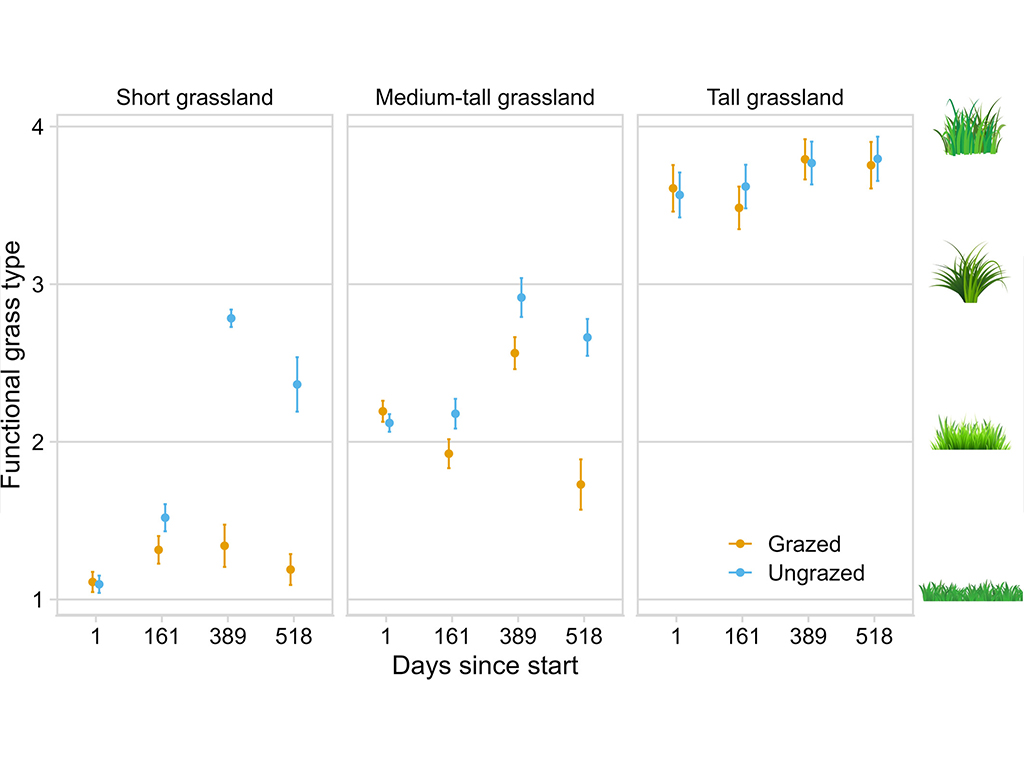
An 18-month herbivore exclusion leads to shifts in the dominance of grass functional types. The values on the y-axis are the weighted mean of an ordinal variable where short grass = 1, tufted grass = 2, bunch grass = 3, tall grass = 4, and the weights are the relative abundance of each type per plot. A small value indicates that a plot is dominated by short prostrate grasses, whereas plots dominated by tall and coarse grasses get a large value. Error bars show standard errors.
The findings have significant implications for conservation and ecosystem management. The study suggests that restoring natural grazing regimes, including the reintroduction of native herbivores like capybaras, could be a cost-effective strategy for conserving South American grassy ecosystems. This approach could help maintain plant diversity, reduce the risk of wildfires by managing vegetation structure and fuel loads, and restore ecological functions lost due to historical megafauna extinctions.
Moreover, the study highlights the potential for rewilding projects in South America. Rewilding, which involves reintroducing species to restore ecological processes, has gained traction worldwide as a means of combating biodiversity loss and ecosystem degradation. In South America, where many large herbivores have gone extinct, reintroducing species like capybaras could play a key role in restoring the balance of ecosystems.
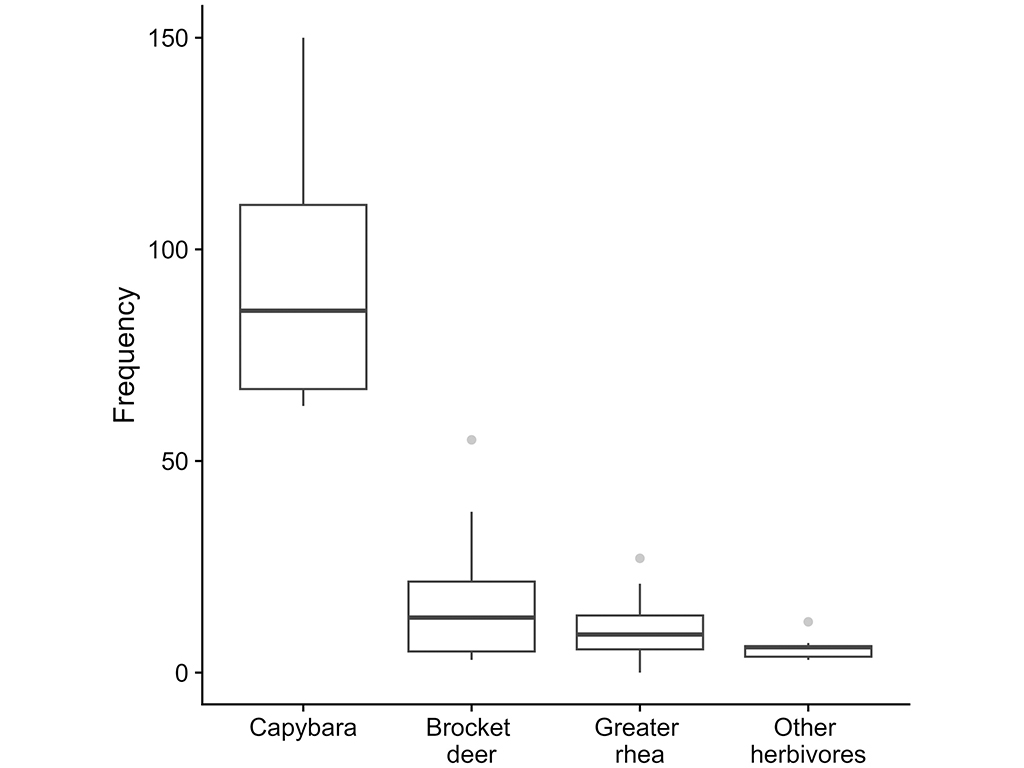
Frequency of herbivore species detected in 1600 camera trap images on grazed plots of an 18-month exclosure experiment. Other herbivores include: Marsh deer, feral pig, axis deer, lowland tapir and collared peccary.
In conclusion, capybaras are more than just charismatic rodents; they are vital ecosystem engineers that play a crucial role in maintaining the ecological balance of Neotropical savannas. Their grazing behavior not only promotes plant diversity but also supports a wide range of species and contributes to ecosystem resilience. As South America faces growing environmental challenges, from habitat loss to climate change, understanding and leveraging the ecological roles of species like capybaras will be essential for conserving these unique and biodiverse landscapes.
Photography credits: Eric Kilby from Somerville, MA, USA